

In conversations with veteran founders, one theme keeps coming up: the desire to create "one last project" before stepping away. A final contribution. A legacy initiative.
But the success of that project — and the organisation's survival beyond it — is determined well before that moment. It is determined by the culture the leader built over years, often without fully realising it.
The Expert vs. The Learner
A leader who feels they must know everything will, almost inevitably, hire people who know less than they do. They become the bottleneck — the single point through which decisions, approvals, and ideas must pass. The organisation is only as good as they are, on any given day.
The leader who admits they do not know everything operates differently. That admission — and it takes real confidence to make it — creates the conditions to hire people who are better, faster, and sharper in specific areas. The organisation grows past the founder rather than being capped by them.
Fences vs. Space
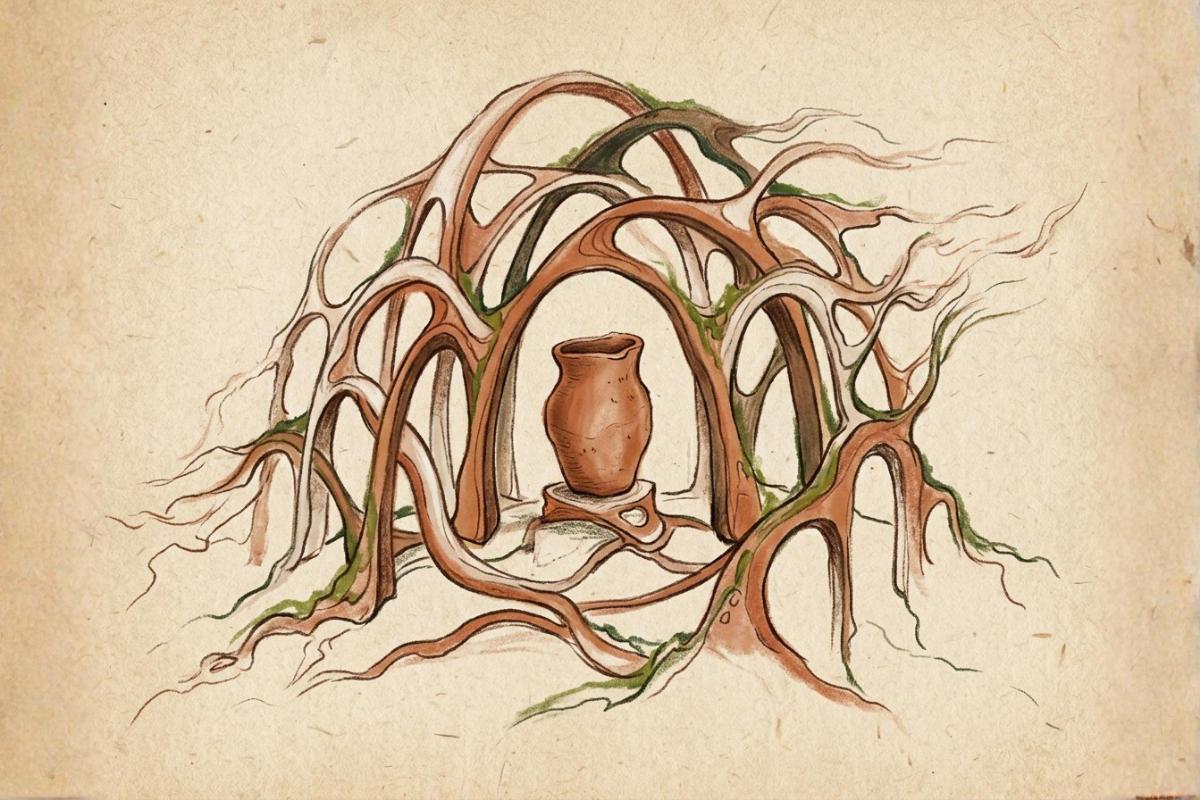
The first kind of leader builds fences. They create a culture of control, often without intending to. And cultures replicate themselves: every person in the organisation eventually learns to build their own version of those fences, their own small silos, their own protected territory.
The second kind of leader creates space. They understand that real growth only happens when you remove the ceiling — when people are genuinely allowed to own the room, make the call, carry the consequence.
These are not personality types. They are choices, made repeatedly, in small moments that accumulate into a culture.
The Succession Plan as a Mirror
You can tell which kind of leader is in charge by looking at the succession plan — or at whether one exists at all.
Where space has been created, transition happens naturally. Often well before the founder is old. The second line has already grown into the room that was made for them. They do not need a handover because they have been holding real ownership for years.
Where fences have been built, transition feels like a cliff-edge. The organisation has no one ready, because no one was ever truly allowed to be ready. The "one last project" becomes a scramble to compress years of development into months.
The question worth sitting with is not whether you plan to transition eventually. It is what the culture you are building today says about when — and whether — that transition will be possible at all.
